Usha Janome Memory Craft 200E vs Peony Embroidery Machine – Detailed Comparison
Choosing the right embroidery machine is a major decision for hobbyists, boutique owners, and small embroidery businesses. Among the popular entry-to-mid-range embroidery machines in India, the Usha Janome Memory Craft 200E and the Peony Embroidery Machine are often compared because both offer computerized stitching and custom design support. However, they differ significantly in features, workflow, pricing perception, and ideal user type.
Below is a clear and practical comparison to help you decide which one fits your needs. Embroidery Machine Warranty & Repair Services
1. Overview & Intended Users
Memory Craft 200E
The Usha Janome 200E is designed for beginners and small boutique users who want clean embroidery without a steep learning curve. It focuses purely on embroidery (not sewing), making it suitable for personalized design work.
Peony Embroidery Machine
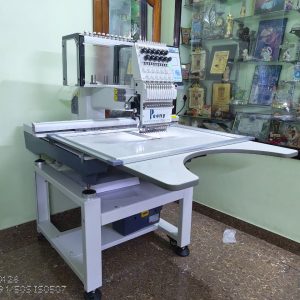
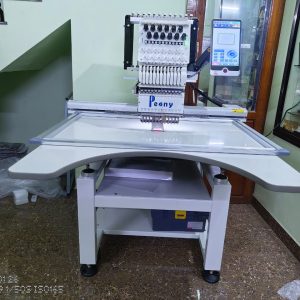
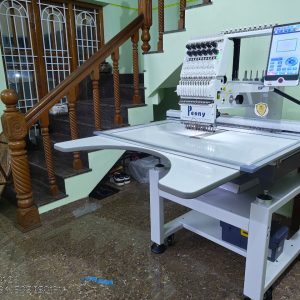
The Peony machine is positioned more toward boutique users, designers, and small commercial embroidery needs. It supports larger patterns, better modular workflow, and more customization features, making it ideal for semi-professional usage.
2. Design Quality & Embroidery Output
When it comes to stitch consistency, both machines produce neat and stable designs. The Janome uses tried-and-tested embroidery algorithms to ensure uniform stitching and thread control, especially for small motifs.
Peony’s embroidery engine is designed for sharper outlines and color clarity, which stands out on thicker fabrics such as denim, jackets, abayas, uniforms, and boutique wear. Its built-in stabilization settings handle multiple fabric types with fewer thread breaks.
3. Embroidery Area & Hoops
One of the biggest deciding factors is hoop size and embroidery area:
Memory Craft 200E typically supports a more controlled hoop size suitable for small to medium designs like names, logos, monograms, neckline patches, and towel personalization.
Peony machines usually offer larger or multiple hoop configurations, supporting wider decorative patterns, patches, and back motifs.
For boutique owners who make custom dresses or designer products, hoop size is often a critical limitation or advantage.
4. Design Connectivity & Software
Both machines support custom embroidery design transfer, but the workflow differs:
200E supports USB-based design loading along with standardized embroidery formats. You can use external digitizing software for custom patterns.
Peony provides wider format support and integrates better with third-party digitizing tools common in boutique and semi-commercial settings. The design process is faster when working with repetitive client orders.
If you frequently handle customer-specific designs (initials, logos, brand embroidery, etc.), the Peony machine’s software and connectivity workflow becomes a stronger advantage.
5. Ease of Use & Learning Curve
Usha Janome is well-known for user-friendly machines, and the 200E maintains that reputation. Its menu system is simple, and beginners can learn to operate it within a short time.
The Peony machine is also beginner-friendly but comes with more advanced settings — which is great for production work, but slightly more technical for new users. Boutique users benefit from the extra flexibility.
6. Supported Fabric Types
Both machines handle light to medium fabrics smoothly, but performance differs on certain textures:
Memory Craft 200E: Best suited for cotton, silk, rayon, kidswear, uniforms, and soft apparel.
Peony Machine: Performs better on thicker and textured materials like denim, linen mixes, jackets, abayas, and custom boutique wear.
This makes Peony a better choice for designers and fabric-tailoring boutiques.
7. Maintenance & Durability
Usha Janome machines have a long track record for reliability, which appeals to home users. Parts availability and servicing are generally easier through official service networks.
Peony machines are rated durable for boutique production use and handle longer embroidery runs with fewer heating issues. Machine build quality suits semi-commercial workloads.
8. Pricing Considerations
While pricing details can vary by region, dealer, and configuration, the general positioning is:
Memory Craft 200E → more affordable for beginners and home embroidery use.
Peony Machine → aligned with boutique and small commercial embroidery needs.
(Note: As per your preference, pricing specifics are not mentioned.)
9. Who Should Buy Which?
Here’s a quick recommendation based on usage:
✔ Choose Memory Craft 200E if you are:
a beginner
doing personal embroidery
focused on small home orders
a hobby crafter
✔ Choose Peony if you are:
running a boutique
handling customer-specific designs
producing embroidery daily
working with diverse fabrics
Final Verdict
Both machines are strong options, but they differ in purpose. The Usha Janome Memory Craft 200E shines as an entry-level personal embroidery machine, while the Peony Embroidery Machine is better suited for boutique owners and semi-commercial use due to larger hoops, better software workflow, and higher fabric compatibility.
The right choice ultimately depends on your workload, material types, and the scale of your embroidery business.
0 Comments