Automatic Embroidery Machines – How They Work & Who Should Use Them
Automatic embroidery machines have transformed the textile and personalization industry by reducing manual workload and increasing output precision. Instead of relying on traditional hand-guided embroidery or basic mechanical stitching, automatic embroidery systems use computerized controls and multi-needle operations to produce professional-quality patterns, logos, and decorative embroidery at scale. Understanding how these machines work and who benefits from using them can help hobbyists, boutiques, and commercial operators make better buying decisions. Automatic & Digital Embroidery Machines for Business
1. What Are Automatic Embroidery Machines?
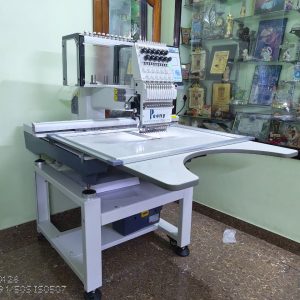
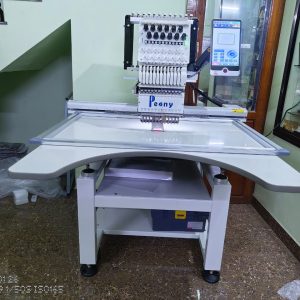
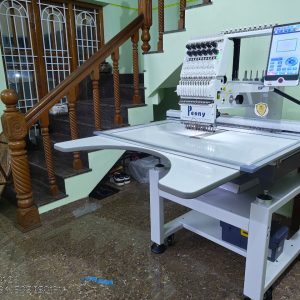
Automatic embroidery machines are digitally controlled embroidery systems that perform stitching tasks with minimal manual intervention. These machines automatically handle thread sequencing, pattern execution, and embroidery movements based on a digital design file. Many models also support advanced features such as touchscreen editing, automatic thread cutting, color switching, and built-in memory for storing designs.
Automatic machines are available in both single-head and multi-head configurations depending on production needs.
2. How Automatic Embroidery Machines Work
The operation of an automatic embroidery system involves a streamlined workflow supported by computerized components:
Step 1 — Design Input
A digital design file is loaded through USB, memory card, network, or built-in library. The machine reads the pattern, stitches, and color sequence instructions.
Step 2 — Hooping & Fabric Placement
The fabric is secured in a hoop to maintain tension and prevent shifting during stitching.
Step 3 — Thread Preparation
Multi-needle machines assign different thread colors to each needle, allowing automatic color changes based on design specifications.
Step 4 — Automated Stitch Execution
Servo motors guide the embroidery head according to digital commands, completing the pattern with precision.
Step 5 — Finishing & Quality Check
Once complete, threads are automatically trimmed and the piece is inspected for clarity, density, and alignment.
This automated process enables consistent embroidery quality without requiring advanced manual stitching skills.
3. Key Features Found in Automatic Embroidery Machines
Modern automatic embroidery systems include several performance-enhancing features:
✔ Multi-needle thread system for color automation
✔ Multi-head configuration for bulk production
✔ Touchscreen control panels
✔ USB and software connectivity
✔ Automatic thread trimming
✔ Automatic color switching
✔ Variable speed control
✔ Hoop size flexibility
✔ Built-in designs and editing tools
✔ Memory storage for recurring orders
These features cater to both boutique creativity and commercial productivity.
4. Applications of Automatic Embroidery Machines
Automatic embroidery machines are used in a wide range of markets, including:
✔ Fashion & Boutique Apparel
Used for saree borders, designer jackets, abayas, blouses, kurtis, dresses, and couture details.
✔ Corporate & Branding
Ideal for logos on uniforms, shirts, jackets, and bags for businesses and institutions.
✔ Personalized Gift Market
Popular for babywear, towels, home décor, monograms, and event gifts.
✔ Sportswear & Team Branding
Used for badges, team names, patches, and crests.
✔ Small Apparel & Garment Units
Supports custom production and value-added garment embellishment.
5. Benefits of Automatic Embroidery Machines
Upgrading to an automatic embroidery machine offers several advantages:
1. Faster Production
Automated color changes and stitching reduce manual delays, enabling higher output per hour.
2. Lower Skill Barrier
Users do not need advanced sewing expertise to produce professional-grade designs.
3. Higher Accuracy & Consistency
Patterns remain uniform across multiple units, which is essential in branding and uniform production.
4. Expanded Creative Possibilities
Supports multi-color designs, dense stitching, lettering, appliqué, and patches.
5. Reduced Labor Dependency
Automation minimizes manual intervention, reducing the need for skilled operators.
6. Business Scalability
Multi-head and multi-needle options enable businesses to scale as demand increases.
6. Who Should Use Automatic Embroidery Machines?
Automatic machines are ideal for users who require repeatable, high-quality embroidery output, such as:
✔ Boutique designers
✔ Tailoring units
✔ Corporate branding firms
✔ Small garment manufacturers
✔ Uniform suppliers
✔ Personalized gift businesses
✔ Embroidery startup units
Hobby users may also benefit if they plan to expand into commercial work.
Conclusion
Automatic embroidery machines have become a crucial part of modern apparel decoration and branding. Their ability to automate thread changes, execute complex designs, and operate with minimal skill makes them valuable for both boutique-level and commercial-scale production. Whether used for uniforms, corporate branding, personalized gifts, or fashion garments, automatic embroidery machines enable faster turnaround, consistent quality, and scalable business growth.
0 Comments