Embroidery Machines – Types, Uses & How to Choose the Right One
Embroidery continues to play an important role in apparel, décor, corporate branding, and fashion customization. With modern technology, embroidery machines have evolved into precise and efficient tools that help users produce detailed patterns, logos, and decorative designs with consistency. Whether you are a hobby crafter, boutique designer, or commercial embroidery operator, understanding embroidery machine categories and selection criteria is essential before investing in one. Embroidery Machine Manufacturer & Distributor
1. What Is an Embroidery Machine?
An embroidery machine is a specialized sewing unit designed to stitch decorative motifs, monograms, logos, and patterns onto fabric. Unlike regular sewing machines, embroidery machines follow digital design instructions that control thread movement and stitch formation automatically. This results in higher accuracy and repeatability, making them suitable for both creative and commercial applications.
2. Types of Embroidery Machines
There are several types of embroidery machines available depending on skill level, application, and production scale.
a) Mechanical Embroidery Machines
These machines rely on manual adjustments and mechanical cams. They are less common today and typically used for basic decorative stitching.
b) Computerized Embroidery Machines
These machines support digital design inputs through USB or built-in memory and automate stitching using software controls. Ideal for boutique and personalization work.
c) Sewing + Embroidery Combination Machines
Combination models integrate standard sewing for garment construction and embroidery for decorative finishing. Popular for designers and tailoring units.
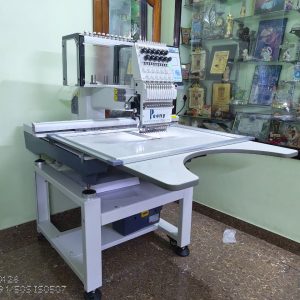
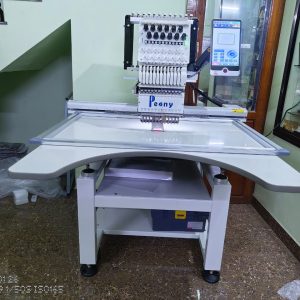
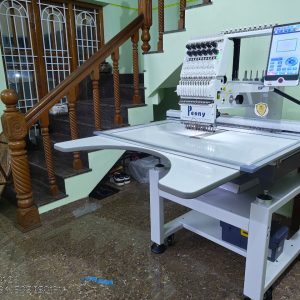
d) Multi-Thread / Multi-Needle Embroidery Machines
Designed for faster production and multi-color designs, these machines hold multiple threads and switch colors automatically. Suitable for commercial embroidery.
e) Multi-Head Industrial Embroidery Machines
Used by factories and apparel manufacturers, these machines feature several embroidery heads operating simultaneously for bulk production.
3. Popular Uses & Applications
Embroidery machines are used in a wide variety of industries and creative segments, including:
✔ Fashion & Boutique Apparel
Necklines, borders, saree designs, abaya detailing, and couture embellishments.
✔ Corporate & Branding Work
Logos on uniforms, jackets, shirts, hats, bags, and merchandise.
✔ Personalized Gift Items
Monograms, initials, babywear, towels, blankets, and home décor textiles.
✔ Team & School Uniforms
Emblems, patches, crests, and name embroidery for sports and institutional wear.
✔ Custom Production & Small Businesses
Suitable for boutique embroidery units and startup ventures focusing on customized apparel.
4. Key Features to Look for in an Embroidery Machine
Choosing the right machine depends on understanding technical and operational features such as:
➤ Embroidery Area / Hoop Size
Determines how large the design can be. Larger hoops support jacket backs, boutique patterns, and branding work.
➤ Threading & Multi-Color Capability
Multi-needle systems reduce manual thread changes and speed up production.
➤ Built-In Designs & Fonts
Useful for hobby projects, initials, and basic decorative elements.
➤ USB Connectivity & Software Support
Allows importing custom logos and digitized artwork directly into the machine.
➤ Touchscreen Interface
Simplifies editing, resizing, rotation, lettering, and previewing before stitching.
➤ Speed & Stitch Quality
Faster machines are better for business usage, while stitch precision affects design clarity.
➤ Fabric Compatibility
Important for boutique users working with:
✔ cotton
✔ silk
✔ denim
✔ uniforms
✔ polyester blends
✔ fashion fabrics
5. How to Choose the Right Embroidery Machine
Here are important buying factors to consider based on your usage:
For Hobby & Beginners
Look for machines with:
✔ built-in designs
✔ modest hoop size
✔ combination sewing + embroidery
✔ simple interface
This gives flexibility without overwhelming features.
For Boutique & Professional Designers
Focus on:
✔ multi-color support
✔ larger embroidery areas
✔ USB import & editing
✔ higher stitch accuracy
✔ multi-thread options
This improves creative output and customer satisfaction.
For Commercial & Business Use
Prioritize:
✔ speed & durability
✔ multi-needle or multi-head configuration
✔ software compatibility for logos
✔ reliable after-sales service
✔ scalability for bulk orders
These features help in increasing throughput and ROI.
6. After-Sales Support & Training
Embroidery machines involve specialty skills and maintenance. Buyers should check:
✔ installation assistance
✔ operator training
✔ warranty coverage
✔ spare parts availability
✔ service center access
Strong support plays a major role in long-term productivity, especially for business users.
Conclusion
Embroidery machines have transformed the creative and commercial landscape of apparel and customization. From hobby usage to boutique fashion and corporate branding, the right machine can enhance production quality, expand service offerings, and open new business opportunities. Understanding machine types, features, and application needs makes it easier to choose a model that aligns with long-term goals.
0 Comments