How to Buy an Embroidery Machine – Complete Buying Guide (2026)

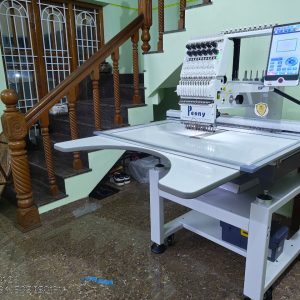
Buying an embroidery machine is an important investment, whether you’re a beginner, a home-based creator, or planning a commercial embroidery business. With so many models, features, and price ranges available, choosing the right machine can feel confusing. This guide explains how to buy an embroidery machine step by step, so you can make a confident and informed decision. Embroidery Machines for Home, Commercial & Industrial
1. Understand Your Purpose First
Before buying an embroidery machine, clearly define how you plan to use it.
Personal or hobby use: Occasional embroidery on clothes, gifts, or crafts
Home business use: Custom orders, small batches, regular usage
Commercial use: Bulk production, logos, uniforms, and continuous operation
Your purpose determines the machine type, durability, speed, and feature requirements.
2. Choose the Right Type of Embroidery Machine
Embroidery machines are broadly divided into two categories:
Single-Needle Embroidery Machines
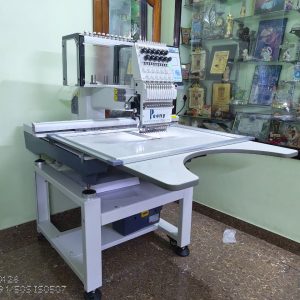
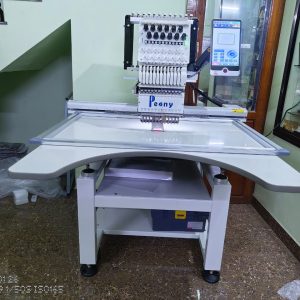
Best for beginners and home users. These machines are easy to operate and compact, but color changes are manual, which can slow down large designs.
Multi-Needle Embroidery Machines
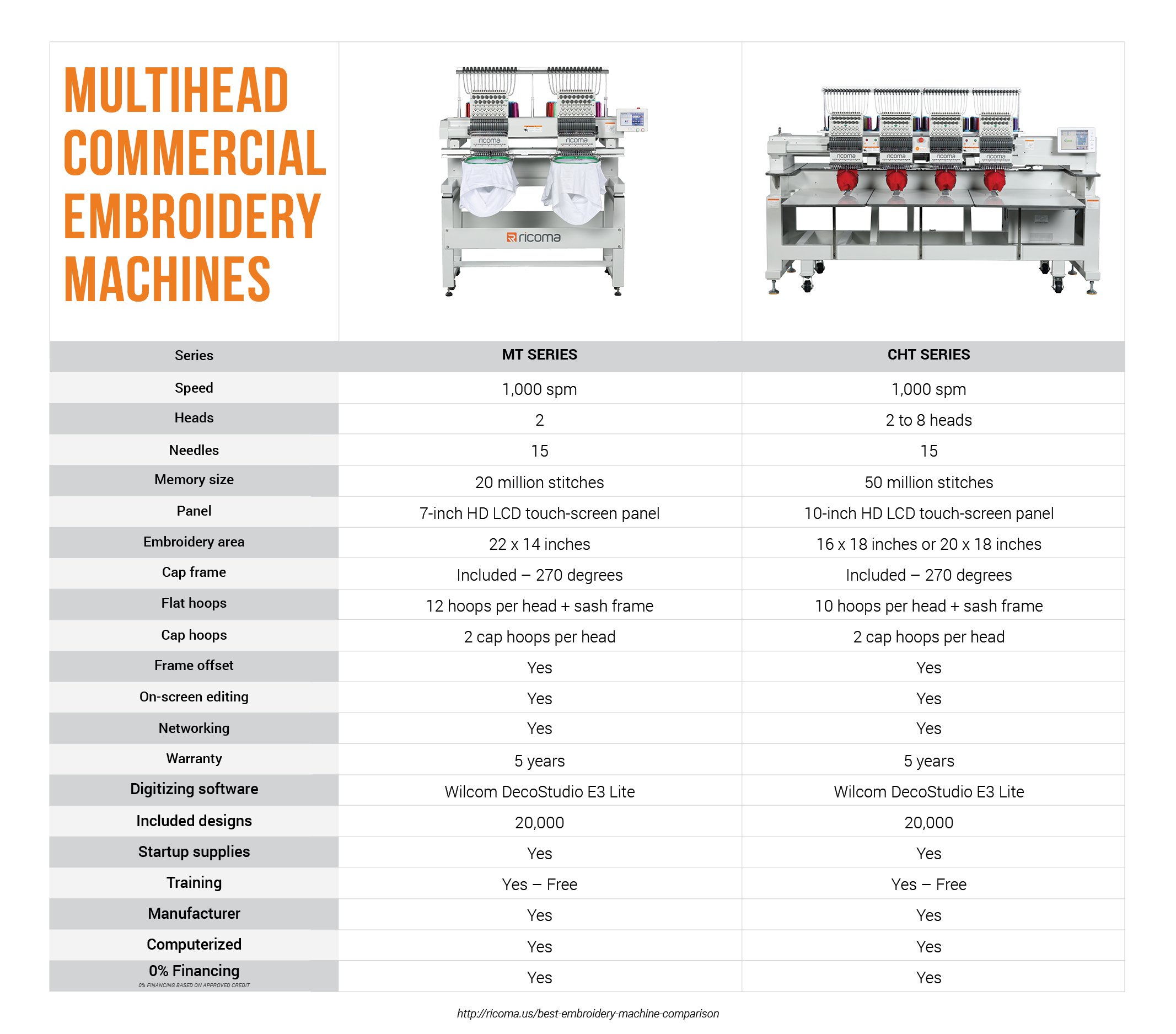
Ideal for business and professional use. They automatically switch between colors, support complex designs, and are built for continuous operation.
If you’re starting out, a single-needle machine is usually sufficient. For scaling a business, multi-needle machines are more efficient.
3. Check the Embroidery Area (Hoop Size)
The embroidery area determines the maximum design size you can stitch without re-hooping.
Small hoop: Suitable for logos and small patterns
Medium hoop: Ideal for garments and decorative designs
Large hoop: Best for jackets, sarees, and large artworks
Always choose a slightly larger embroidery area than your current need to allow future flexibility.
4. Look at Built-in Designs and Fonts
Many embroidery machines come with preloaded designs and lettering fonts.
Built-in designs help beginners start immediately
Multiple font styles are useful for names and monograms
USB or Wi-Fi support allows importing custom designs
If you plan to create unique designs, ensure the machine supports popular embroidery file formats.
5. Evaluate Ease of Use and Display
Modern embroidery machines offer features that simplify learning and operation:
Touchscreen or LCD display
On-screen design editing (resize, rotate, mirror)
Automatic needle threading
Thread break and low bobbin alerts
For beginners, user-friendly controls reduce errors and learning time.
6. Check Stitch Quality and Speed
Good stitch quality is essential for professional-looking embroidery.
Consistent tension control
Clean stitching on different fabrics
Adjustable speed control
Higher stitching speed saves time for bulk work, but stability and precision are equally important.
7. Software Compatibility Matters
Embroidery software allows you to create or edit designs.
Some machines include basic software
Others require third-party embroidery software
Ensure compatibility with your operating system
Good software support adds long-term value to your purchase.
8. Consider Maintenance and Support
After-sales support is often overlooked but extremely important.
Availability of service centers
Spare parts accessibility
Warranty coverage
Training or demo support
Reliable service ensures minimal downtime and protects your investment.
9. Plan for Future Growth
Avoid buying only for today’s needs.
Choose expandable machines with optional accessories
Ensure compatibility with larger hoops and advanced designs
Think long-term if business expansion is a possibility
A slightly advanced machine now can save replacement costs later.
10. Compare Before You Buy
Before finalizing your purchase:
Compare multiple models
Read user reviews
Watch demo videos
Ask for live demonstrations if possible
Comparing features instead of focusing only on price leads to better decisions.
Final Thoughts
Learning how to buy an embroidery machine is about matching your needs with the right features, usability, and future goals. Whether you’re a beginner or an entrepreneur, choosing the right embroidery machine ensures better productivity, design quality, and long-term satisfaction.
0 Comments